Loading Article Title...

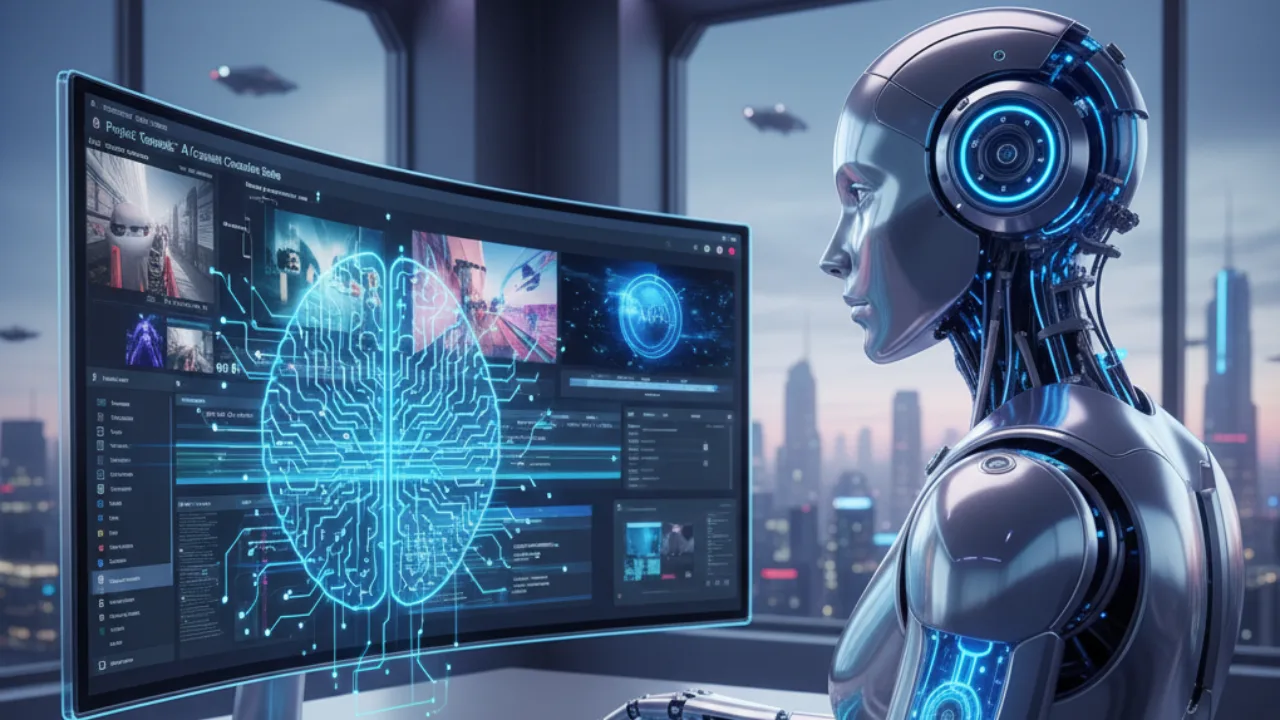
In the fast-paced digital world of 2025, content creation is no longer limited to professionals who own expensive cameras, editing software, or other advanced facilities. Now, Artificial Intelligence (AI) has taken that place — completely transforming the way we create videos.
The arrival of AI-video generators and creative content automation tools has changed the entire landscape of storytelling, marketing, and entertainment.
AI-video generators are tools that use artificial intelligence and machine learning algorithms to automatically create videos — just from your text, images, or audio.
These tools analyze your idea or script and turn it into a fully edited, engaging video — complete with background music, voiceovers, and transitions.
For example, platforms like Synthesia, Pictory, Runway, and HeyGen allow anyone to make professional-level videos without being an editing expert.
You just write your script, choose an avatar or voice, and within minutes, your video is ready to share.
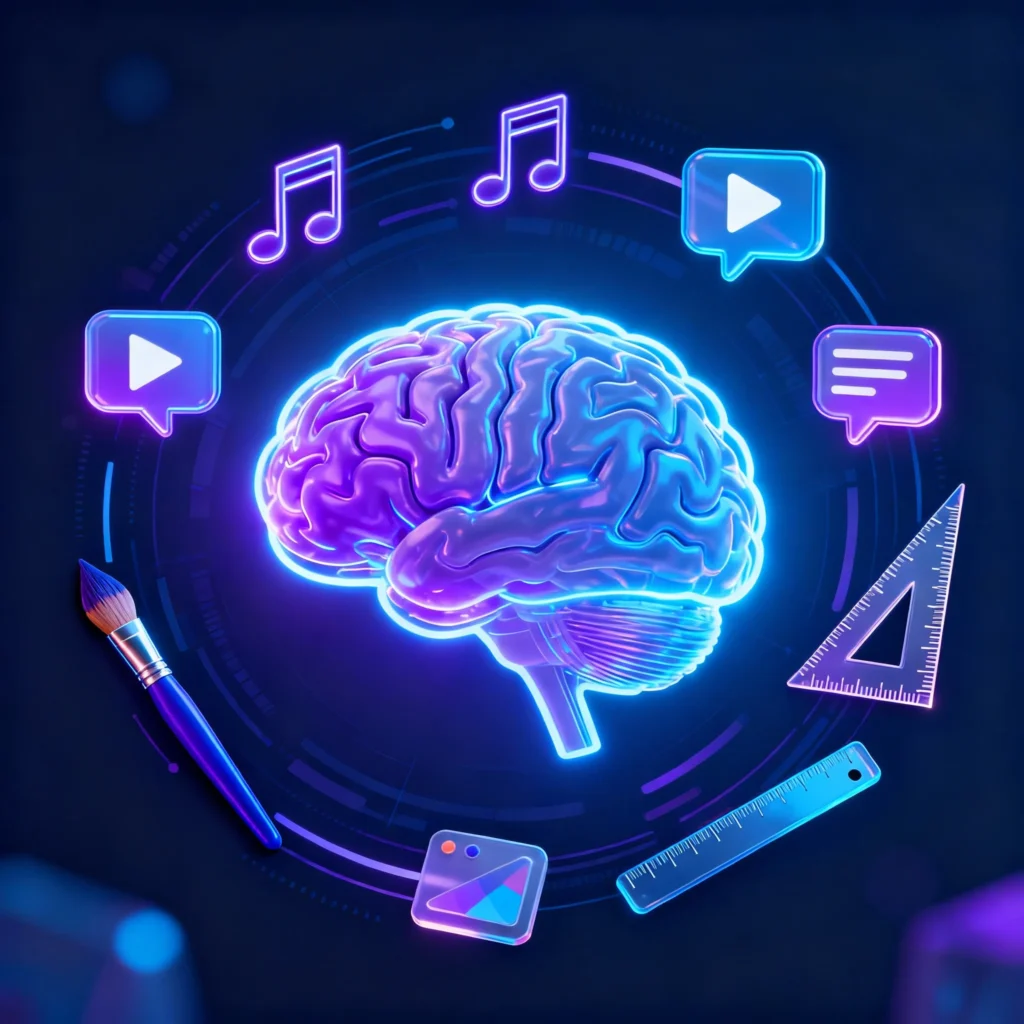
A few years ago, automation was limited to repetitive or rule-based tasks. But now, AI has entered the creative zone as well.
Modern AI systems can:
Because of this creative automation, content creation has become faster, cheaper, and more accessible — whether you’re an influencer, startup owner, teacher, or corporate brand.
⏱️ Time Efficiency
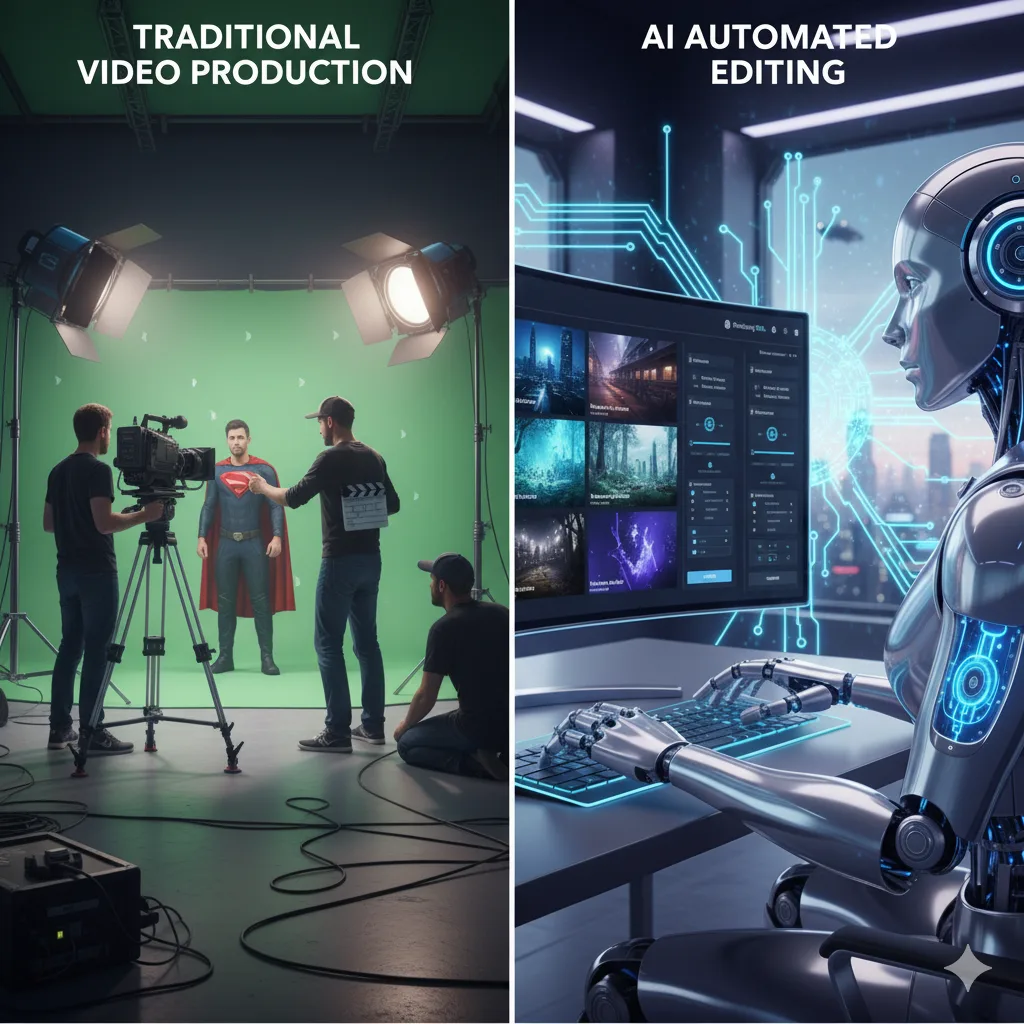
Traditional video production used to take hours or even days. AI now does the same work in just a few minutes — making time efficiency one of the biggest reasons behind AI’s popularity.
💰 Cost Saving
Earlier, you needed expensive cameras and equipment to ensure good video quality. Now, there’s no need for cameras, actors, or editors — even small creators can make high-quality content easily.
📈 Scalability
Businesses can now generate hundreds of product or training videos at once with AI tools.
🎯 Personalization
AI tools customize videos and scripts according to each audience, which increases engagement.
For example, marketing videos and e-learning or training videos can be adapted for different viewers based on age, profession, or interests.
🌍 Language Flexibility
Through multilingual voice synthesis, creators can easily reach a global audience — making it extremely useful for worldwide businesses.
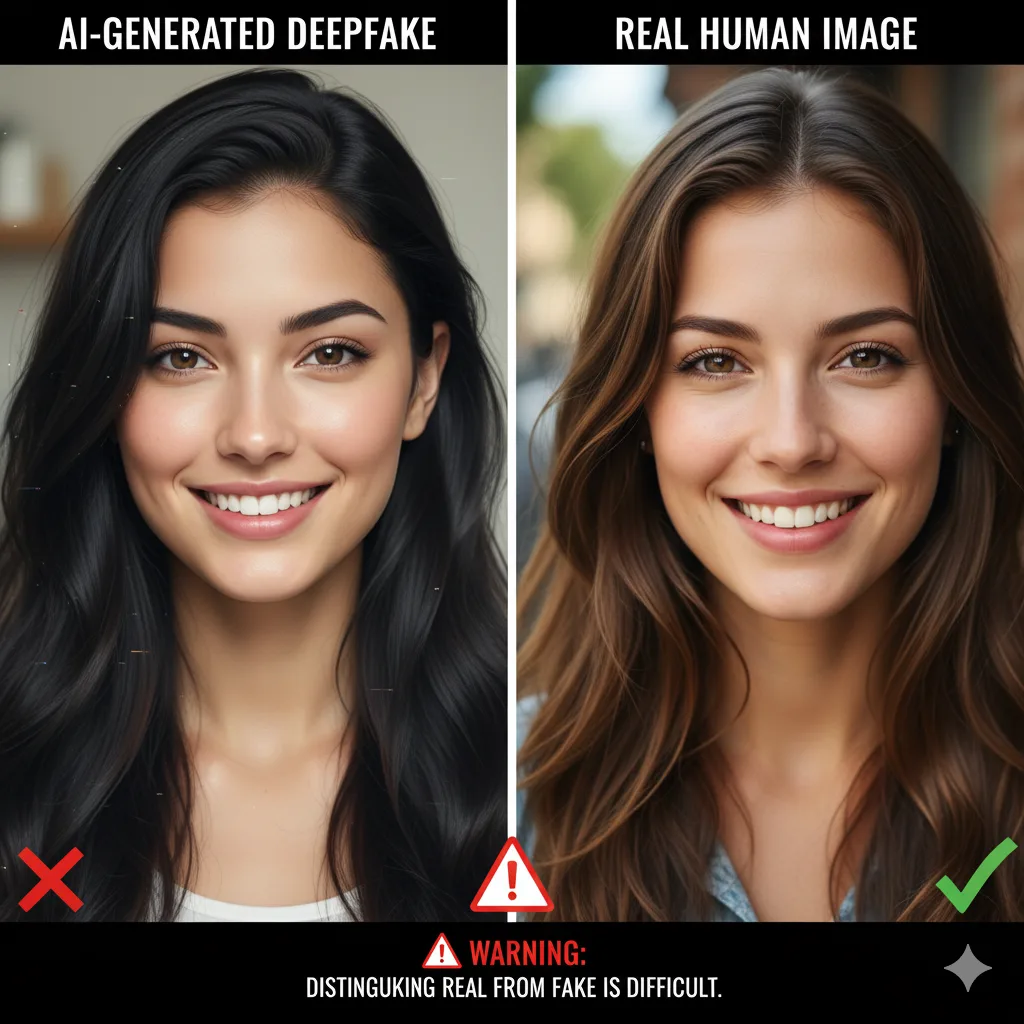
However, automation also comes with its own challenges. Deepfakes, misinformation, and the loss of authentic creativity are major issues today.
As AI becomes more powerful, it’s getting harder to differentiate between real and machine-generated content.
How to Create a Website on WordPress: A Step-by-Step Guide for Beginners
Misinformation has become a serious problem causing huge losses every year.
Creators have a big responsibility — they should use these tools ethically, maintain transparency, verify facts deeply, and preserve originality.
Ethical AI use means enhancing human creativity, not replacing it.
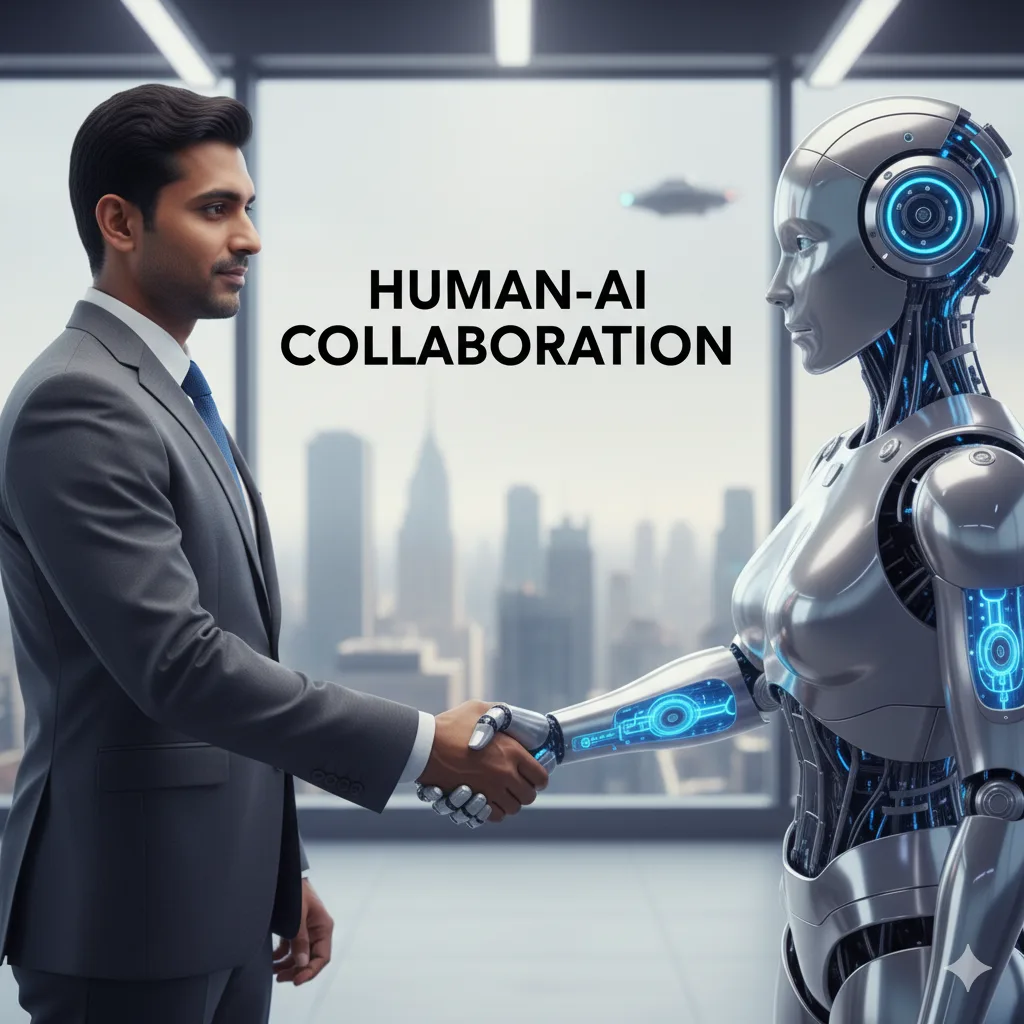
The future of creative content automation looks extremely bright.
We are moving toward a world where AI and humans work together — machines will handle the technical parts, while humans focus on ideas, emotions, and storytelling.
In the near future, AI won’t just make videos — it will also analyze audience reactions, optimize performance, and adjust future content based on viewer behavior.
In simple terms, AI is evolving from being just a tool to becoming a true creative partner — and in many ways, it already has.
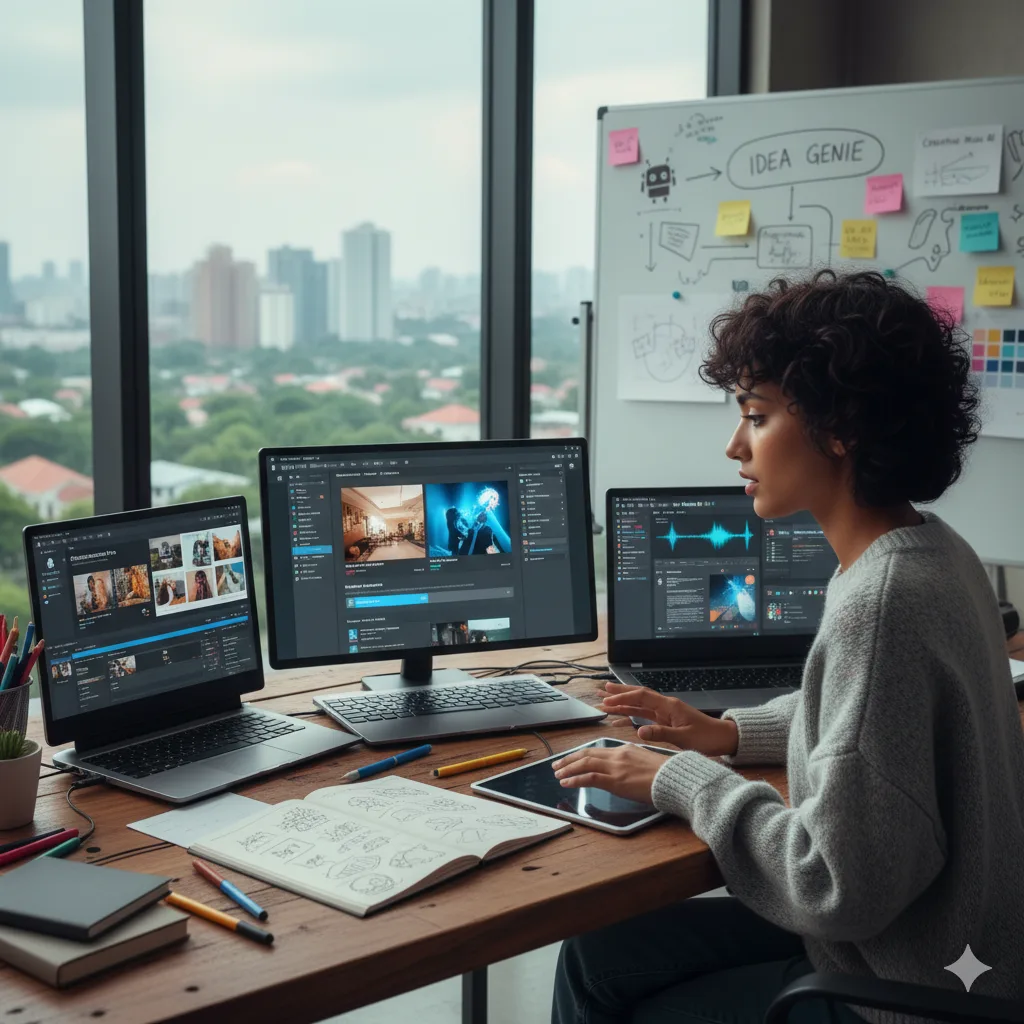
AI-video generators are not just a passing trend — they represent the next stage of digital evolution.
Whether you’re a content creator, marketer, or educator, embracing these tools can open doors to faster production, wider reach, and limitless creativity.
In 2025 and beyond, creativity won’t depend on who owns the best camera — but who uses the smartest tools.






chat_bubble_outline Leave a Reply